
🌿 Introduction
They may be small, but microgreens pack a nutritional punch far beyond their size. Often called “superfoods in miniature”, these young greens are loaded with vitamins, minerals, and antioxidants that make them a powerful addition to your daily diet.
Whether you’re sprinkling them on salads, blending them into smoothies, or adding them to sandwiches, microgreens don’t just add colour and flavour — they deliver a serious boost of nutrients.
Let’s explore what makes these tiny greens such nutritional powerhouses and why more people are calling them the superfoods of the future.
🧬 What Are Microgreens, Exactly?
Microgreens are young vegetable greens harvested just after the cotyledon (seed) leaves have developed and sometimes after the first true leaves appear.
They’re usually harvested 7–21 days after germination, making them smaller and more tender than baby greens — but far more concentrated in nutrients.
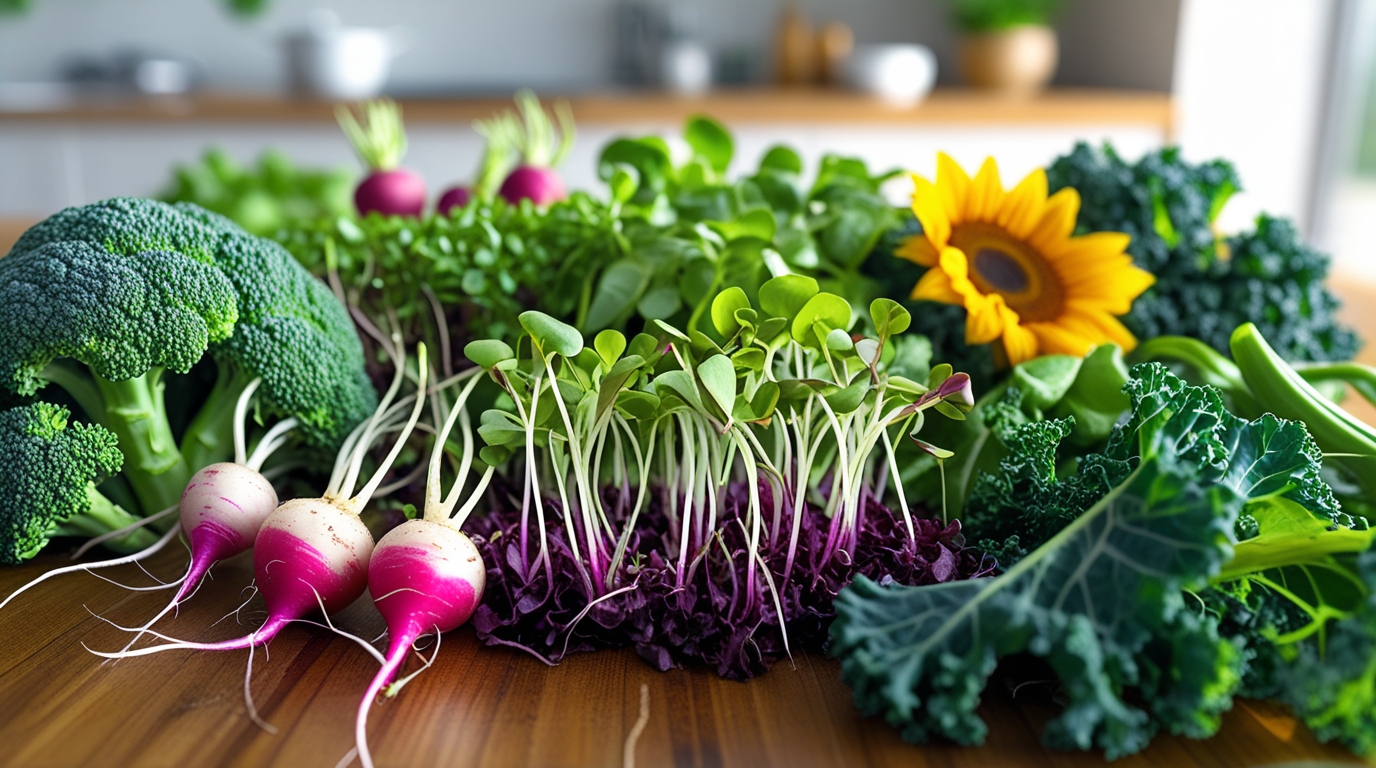
Common microgreens include broccoli, radish, sunflower, mustard, kale, and pea shoots.
🥦 The Science Behind Microgreens’ Nutritional Power
Several studies, including research from the USDA and University of Maryland, have shown that microgreens can contain 4 to 40 times more vitamins and antioxidants than their mature counterparts.
That means a small handful of microgreens can offer the same nutritional impact as a full bowl of mature vegetables!
🔬 Here’s what microgreens are rich in:
Vitamin C – Strengthens your immune system and supports collagen production.
Vitamin K – Essential for bone health and blood clotting.
Vitamin E – A powerful antioxidant that protects cells from damage.
Beta-carotene (Vitamin A) – Supports vision, immunity, and skin health.
Polyphenols and antioxidants – Help fight inflammation and reduce oxidative stress.
Minerals like iron, potassium, and magnesium – Support energy and nerve function.
💪 Top Health Benefits of Eating Microgreens
1. Boosts Immunity
Microgreens are high in Vitamin C and antioxidants that strengthen the immune system, helping your body fight off infections and illness naturally.
2. Supports Heart Health
Varieties like red cabbage and kale microgreens contain polyphenols and anthocyanins that may lower cholesterol levels and support a healthy heart.
3. Improves Digestion
The enzymes in microgreens help support gut health and make digestion smoother, especially when eaten raw.
4. Aids Weight Management
Low in calories but rich in nutrients, microgreens help you feel full longer — making them great for weight loss or balanced diets.
5. Enhances Skin Glow
The high Vitamin E and antioxidant content help protect skin from oxidative damage, keeping it youthful and radiant.
6. Fights Inflammation
Microgreens like broccoli and arugula are rich in sulforaphane, a compound shown to reduce inflammation and improve cellular health.
🧮 Nutritional Comparison: Microgreens vs. Mature Vegetables
| Nutrient | Mature Vegetable | Microgreens (per same weight) |
|---|---|---|
| Vitamin C | 1x | Up to 6x higher |
| Vitamin E | 1x | Up to 8x higher |
| Vitamin K | 1x | Up to 4x higher |
| Beta-carotene | 1x | Up to 10x higher |
| Antioxidants | 1x | Up to 40x higher |
(Based on data from USDA & Journal of Agricultural and Food Chemistry)
Microgreens aren’t just “younger vegetables” — they’re nutrient-dense versions of their mature selves, offering more nutrition in fewer calories.
🥗 How to Add Microgreens to Your Diet
Adding microgreens to your meals is incredibly easy. Here are some simple ideas:
Sprinkle them over salads for extra texture and flavour.
Add them to smoothies for a vitamin boost.
Use as a topping for sandwiches, wraps, and omelettes.
Mix into soups or stir-fries just before serving.
Garnish your pasta or avocado toast with fresh greens.
Because they’re so delicate, microgreens are best enjoyed fresh and raw to retain their maximum nutritional value.
🌞 Best Microgreens for Maximum Nutrition
If your goal is health and wellness, these varieties stand out for their nutrient content:
Broccoli Microgreens – Rich in sulforaphane, known for anti-cancer properties.
Red Cabbage Microgreens – High in Vitamin C and antioxidants.
Radish Microgreens – Boosts metabolism and immunity.
Sunflower Microgreens – Packed with protein, healthy fats, and zinc.
Kale Microgreens – Loaded with vitamins A, C, and K.
💚 Final Thoughts
Microgreens might be small, but their nutritional impact is massive. With more vitamins, minerals, and antioxidants than mature greens, they truly earn their title as superfoods.
By simply adding a handful of fresh microgreens to your meals each day, you can naturally boost your nutrition and take a big step towards a healthier lifestyle.
At Sproutful Snacks, we believe that wellness begins in the smallest things — and microgreens are the perfect example.