🌟 Introduction
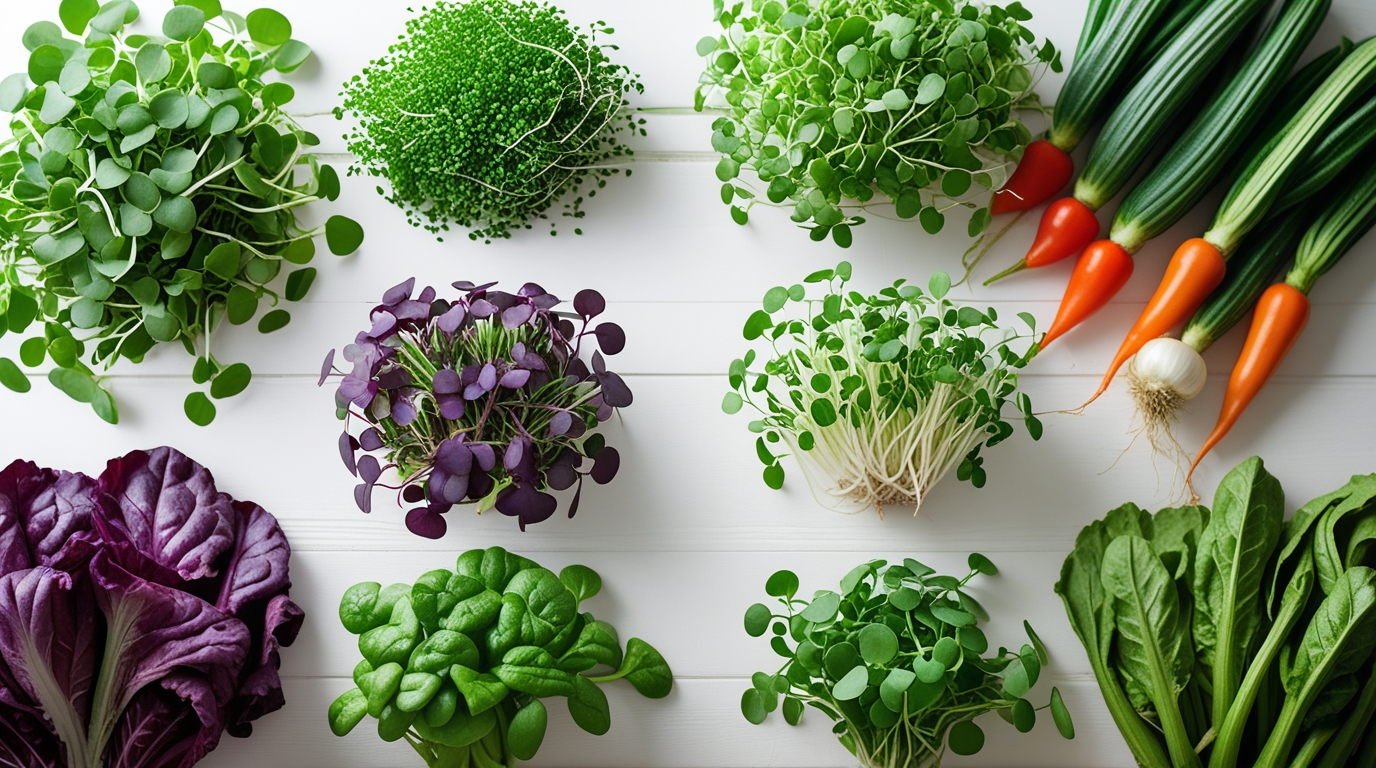
When it comes to healthy eating, most people think of spinach, carrots, broccoli and other full-grown vegetables. But what if the real nutritional powerhouses are actually microgreens — the tiny, tender greens harvested just days after germination? In the debate of microgreens vs vegetables, there’s a shocking nutrient truth that many people still don’t know.
These miniature greens are not just trendy; they’re scientifically proven to contain more vitamins, minerals, antioxidants and flavour than their mature vegetable counterparts. So, let’s break down the real difference and understand why microgreens are gaining so much attention. 🌿
❓ What Are Microgreens?
Microgreens are young edible seedlings of herbs, spices and vegetables harvested within 7–21 days of germination. Popular varieties include broccoli microgreens, radish microgreens, fenugreek microgreens, mustard microgreens, wheatgrass, and sunflower microgreens.
They may be tiny, but when comparing microgreens vs vegetables, their nutritional density is unmatched. 💪
🧪 Microgreens vs Vegetables: The Nutrient Shock You Should Know
1. 🌟 Microgreens Can Contain 4–40x More Nutrients
Studies from the USDA show that many microgreens can contain up to 40 times more vitamins and antioxidants compared to mature vegetables.
For example:
Red cabbage microgreens → 6x more Vitamin C
Cilantro microgreens → 3x more beta-carotene
Broccoli microgreens → extremely high sulforaphane (anti-cancer compound)
This is the heart of the microgreens vs vegetables debate — tiny greens with mega nutrition. 🌈
2. 🛡️ Higher Antioxidant Levels
Antioxidants in microgreens protect your body from oxidative stress, inflammation and lifestyle diseases. Mature vegetables also contain antioxidants — but microgreens often contain concentrated levels because the plant stores nutrients early for growth.
3. 👅 Microgreens Offer Better Flavour and Colour
Microgreens deliver more:
Intense flavour (peppery, sweet, earthy, tangy depending on the variety)
Vibrant colour (deep greens, purples, reds)
Aromatic freshness
Mature vegetables are blander, especially when grown commercially or stored for long periods.
Microgreens = Fresh & flavourful ✨
Vegetables = Nutritious, but not always intense in taste
4. 🧾 Microgreens Are Easier to Digest
Because they are harvested early, microgreens are:
Soft
Tender
Fibre-light
Easier on the stomach
Vegetables have tougher fibres and may cause bloating for some people.
5. ⏱️ Microgreens Grow Faster and Fresher
Microgreens go from seed to harvest in 7–14 days, whereas full-sized vegetables take 30–90+ days.
This means:
More freshness
No nutrient loss from travel or storage
You can grow them indoors all year
When comparing microgreens vs vegetables, freshness plays a big role in nutrient retention. 🌞
6. 🧼 Microgreens May Have Lower Mould Risk if Grown Properly
Although microgreens grow quickly, proper air circulation, clean trays and good watering practices prevent mould. Vegetables stored for long periods in markets or homes also develop mould, especially leafy greens.
📊 Microgreens vs Vegetables: Side-by-Side Comparison
| Feature | Microgreens | Vegetables |
|---|---|---|
| Nutrient Density | Extremely high (up to 40x) | Moderate |
| Flavour | Strong, vibrant | Mild |
| Colour & Texture | Rich, bright | Varies |
| Growing Time | 7–21 days | 30–120 days |
| Space Required | Very little | Medium to large |
| Shelf Life | 5–8 days | 7–14 days |
| Digestibility | Easy to digest | Fibrous |
🥗 Are Microgreens Healthier Than Vegetables?
In terms of nutrient concentration, microgreens are definitely healthier than full-grown vegetables.
But both have a place in a balanced diet. Microgreens act like a nutritional booster, while vegetables provide fibre and volume.
Best practice:
Use vegetables as your meal base and microgreens as your nutrient punch on top. 🥣
🍽️ How to Use Microgreens in Everyday Meals
Microgreens are incredibly versatile. Add them to:
Salads 🥗
Sandwiches 🥪
Parathas and wraps 🌯
Dal and khichdi toppings 🍛
Smoothies 🧋
Soups 🍲
Stir-fries (add at the end) 🔥
Poha, upma, idli toppings 🍚
Eggs and omelettes 🍳
They enhance colour, flavour, and nutrition instantly.
❌ Can Microgreens Replace Vegetables Completely?
Not fully. Vegetables contain:
More fibre
Higher water content
Volume for healthy digestion
Microgreens should be used as a nutrient-rich supplement, not a total replacement.
🌱 Why More Indians Are Growing Microgreens at Home
With increasing interest in health and organic food, microgreens are becoming a popular home-grown superfood.
Reasons include:
They grow indoors in any season 🏠
Cheap and require little space 💰
No chemicals or pesticides 🌿
Fresh and packed with nutrition 🥬
Great for weight loss and immunity ⚖️
🧾 Final Thoughts
When comparing microgreens vs vegetables, the truth is eye-opening — microgreens offer exceptional nutritional value in a tiny package. Their intense flavour, bright colour and unmatched vitamin content make them one of the best superfoods you can add to your daily diet.
Whether you’re looking to boost immunity, improve digestion, support weight loss, or add more antioxidants, microgreens are a simple and powerful addition to your meals. Pair them with your regular vegetables for the perfect balance of fibre, freshness, and nutrition. 🌟