🌱 Introduction
If you love the earthy aroma and bitter-sweet flavour of methi (fenugreek) in your meals, you’ll absolutely adore Fenugreek (Methi) microgreens. These young, tender greens are harvested just 10–12 days after sprouting and are packed with nutrients, flavour, and healing properties.
Whether you sprinkle them on salads, add them to dal, or blend them into smoothies — methi microgreens are one of the easiest and most rewarding superfoods you can grow right at home.
In this post, we’ll explore the health benefits of fenugreek microgreens, their nutritional value, how to grow them, and best affiliate products to start your methi-growing journey.
💚 What Are Fenugreek (Methi) Microgreens?
Fenugreek (Trigonella foenum-graecum) is a common Indian herb known for its medicinal and culinary uses. When grown as microgreens, methi seeds produce delicate, fragrant leaves that carry the same flavour as mature methi but are sweeter, milder, and easier to digest.
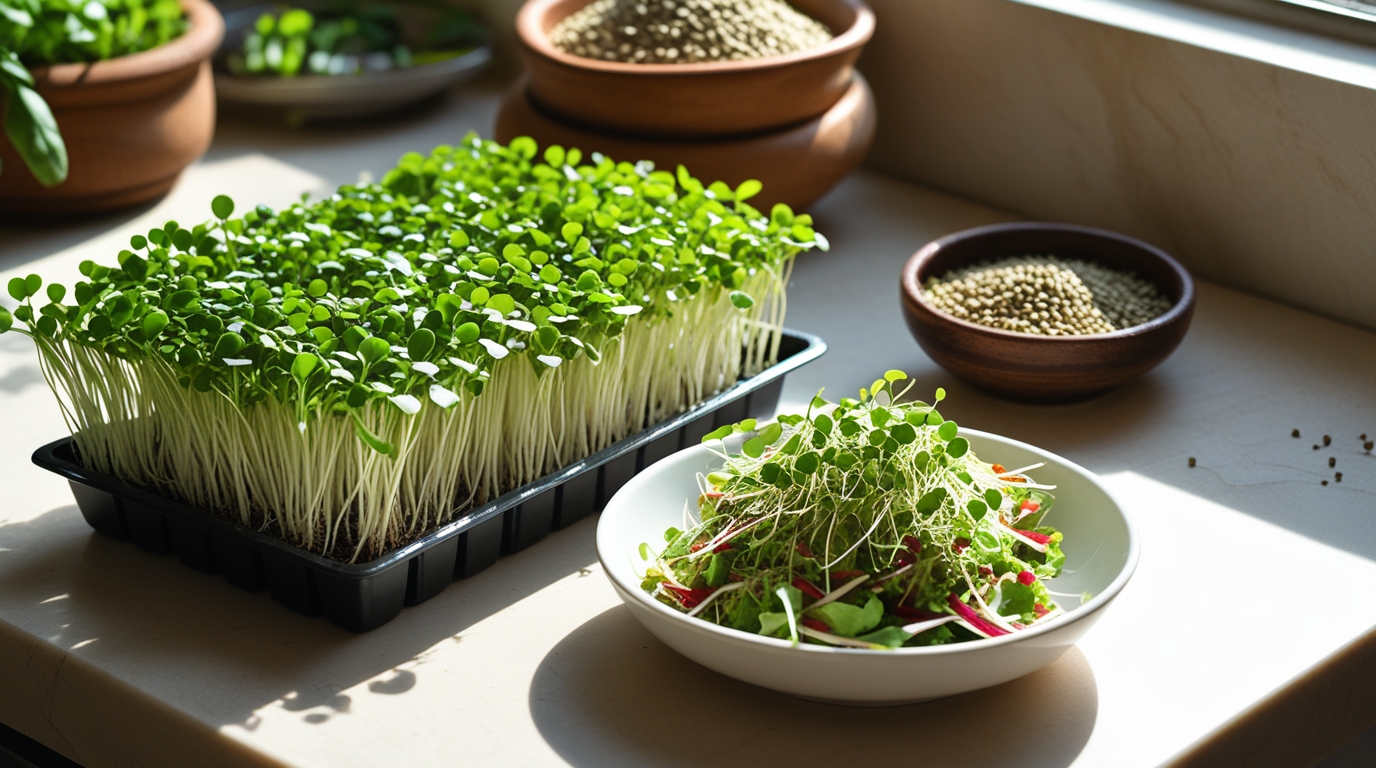
Methi microgreens are ready for harvest in 10–12 days and can be grown indoors or on your kitchen windowsill using simple supplies like seeds, cocopeat, and a tray.
🥬 Nutritional Value of Fenugreek (Methi) Microgreens
Fenugreek microgreens are incredibly nutrient-dense, offering a burst of vitamins and minerals in each small serving.
| Nutrient | Benefit |
|---|---|
| Vitamin A | Supports healthy vision and skin |
| Vitamin C | Boosts immunity and fights free radicals |
| Vitamin K | Essential for bone and heart health |
| Iron | Improves haemoglobin and prevents anaemia |
| Fibre | Supports digestion and weight control |
| Antioxidants | Reduces inflammation and oxidative stress |
| Protein | Aids in muscle repair and energy production |
Compared to mature methi leaves, fenugreek microgreens contain higher antioxidant and nutrient levels per gram, making them a perfect daily supplement for your diet.
🌿 Top Health Benefits of Fenugreek (Methi) Microgreens
1. Supports Weight Loss Naturally
Methi microgreens are rich in fibre and galactomannan, a compound that promotes satiety and reduces appetite. Regular consumption helps control hunger pangs and improves metabolism — a natural aid for weight management.
2. Regulates Blood Sugar Levels
Fenugreek is known for its anti-diabetic properties. Microgreens contain compounds that slow carbohydrate absorption and help stabilise blood sugar levels, making them ideal for people with diabetes or insulin resistance.
3. Improves Digestion
The high fibre and enzyme content in methi microgreens aid digestion and prevent issues like bloating, constipation, and acidity. Adding them to your daily meals can improve gut health and nutrient absorption.
4. Boosts Immunity and Detoxification
Packed with vitamin C and antioxidants, fenugreek microgreens strengthen your immune system and help detoxify the body by flushing out toxins naturally.
5. Promotes Healthy Hair and Skin
Methi microgreens are loaded with iron, vitamin A, and amino acids that improve blood circulation, support hair growth, and give your skin a natural, healthy glow.
6. Reduces Inflammation and Fatigue
Fenugreek microgreens have natural anti-inflammatory properties that help reduce internal inflammation, joint pain, and chronic fatigue.
7. Improves Heart Health
The antioxidants and potassium in fenugreek microgreens help regulate blood pressure, lower cholesterol, and promote a healthy heart.
🌾 How to Grow Fenugreek (Methi) Microgreens at Home
Growing methi microgreens is simple, affordable, and requires minimal space — perfect for small Indian kitchens.
🌱 You’ll Need:
Organic fenugreek seeds (affiliate: link to Amazon India seeds)
Cocopeat or organic soil mix
Microgreen growing tray with drainage holes
Spray bottle for misting
Filtered water
🪴 Step-by-Step Guide:
Soak seeds overnight for 8–10 hours to speed up germination.
Spread cocopeat evenly in the tray (1–1.5 inches deep).
Sprinkle soaked methi seeds uniformly over the surface.
Mist lightly using a spray bottle to moisten the seeds.
Cover with a lid or cloth for 2–3 days to allow germination in darkness.
Uncover and expose to light once sprouts appear. Mist once or twice daily.
Harvest in 10–12 days when microgreens are 2–3 inches tall.
Pro Tip: Use clean, filtered water and avoid overwatering to prevent mould.
🍽️ How to Use Fenugreek Microgreens in Meals
Methi microgreens add a fresh, mildly bitter-sweet flavour that pairs beautifully with Indian and continental dishes.
Try them in:
Salads and sandwiches for a crunchy texture.
Garnish for curries, dal, and khichdi.
Green smoothies for a nutrient boost.
Poha, upma, or parathas for added flavour and colour.
Soups, omelettes, or sprouts chaat.
They’re delicious, easy to use, and elevate both nutrition and taste instantly.
⚡ Quick Tips for Perfect Fenugreek Microgreens
Avoid direct sunlight; bright indirect light is ideal.
Use clean, filtered water to prevent mould growth.
Harvest when leaves open fully — not too late, or they’ll taste bitter.
Always wash microgreens before eating.
🌼 Why Fenugreek (Methi) Microgreens Deserve a Place in Your Diet
From weight loss and blood sugar control to better digestion and glowing skin, methi microgreens are a powerhouse of wellness.
They’re easy to grow, rich in nutrients, and bring a unique, earthy flavour to your plate. Whether you’re a health enthusiast, a diabetic, or simply someone who loves fresh, home-grown food — Fenugreek (Methi) Microgreens are your perfect green companion.
Affiliate links:
Spray Bottle: https://amzn.to/4og5GEV
Trays: https://amzn.to/4oMnyHn
Cocopeat: https://amzn.to/47GzxPZ
Methi Seeds: https://amzn.to/49cvSvM
Disclosure: This post contains affiliate links. If you purchase through these links, I may earn a small commission at no extra cost to you. I only recommend products I truly believe in.